
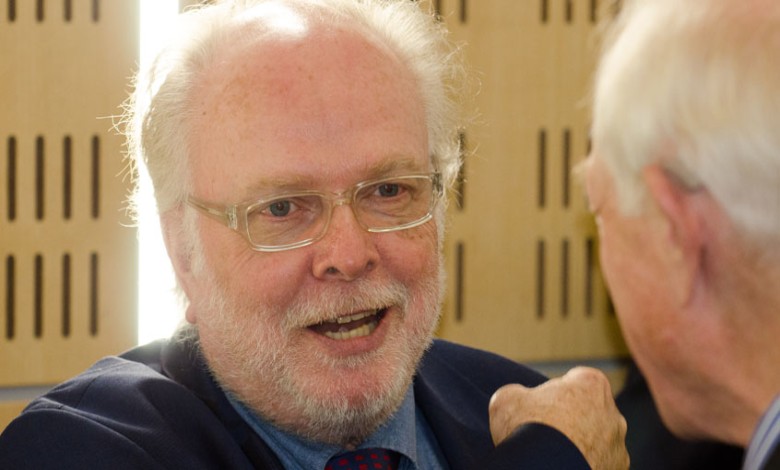
Michael Attenborough is a well-known British theatre director and arts leader. Although many people recognize the Attenborough surname because of his famous family, Michael built his own place in the theatre world through years of dedication and creative work. He is known for his leadership roles in important theatre institutions and for directing stage productions with depth and intelligence.
His career reflects more than family legacy. He earned recognition through practical experience, artistic direction, and long-term service to British theatre. Over the years, he became associated with respected organisations such as the Royal Shakespeare Company and the Almeida Theatre. Because of this, people searching for michael attenborough often want to learn more about his professional achievements, family background, and influence on modern theatre.
Quick Bio of Michael Attenborough
| Attributes | Details |
|---|---|
| Full Name | Michael John Attenborough |
| Date of Birth | 13 February 1950 |
| Nationality | British |
| Profession | Theatre Director, Arts Leader |
| Education | Westminster School, University of Sussex |
| Famous For | Almeida Theatre, Royal Shakespeare Company |
| Major Honour | CBE for services to theatre |
| Father | Richard Attenborough |
| Mother | Sheila Sim |
| Uncle | David Attenborough |
| Children | Tom Attenborough, Will Attenborough |
Early Life and Background
Michael Attenborough was born into one of Britain’s most well-known artistic families. He is the son of Richard Attenborough and Sheila Sim, both respected figures in film and theatre. He is also the nephew of David Attenborough, whose name is famous around the world. Because of this background, many people naturally became curious about Michael’s life and career.
However, Michael chose to build his own identity in theatre rather than simply rely on family reputation. He studied at Westminster School and later attended the University of Sussex, where he developed a strong interest in drama and literature. His educational background helped prepare him for a serious and thoughtful career in the performing arts. From an early stage, it was clear that his future would be closely connected to theatre.
Also Read: Tamara Romijn: A Multi-Dimensional Career and Legacy
How Michael Attenborough Started in Theatre
Michael Attenborough began his career by working in several respected theatre organisations. These early roles gave him hands-on experience in directing, production, and artistic planning. Rather than entering the public eye through fame, he built his reputation step by step through practical work in the theatre industry.
He worked with companies such as Mercury Theatre Colchester, Leeds Playhouse, and the Young Vic. These early experiences allowed him to understand the demands of stage production and helped shape his directing style. His steady progress showed that he was serious about the craft of theatre. Over time, he gained a reputation for being thoughtful, disciplined, and committed to artistic quality. These early years were important because they laid the foundation for the leadership roles he would later hold.
His Leadership in British Theatre
One of the main reasons michael attenborough is widely respected is his success as a theatre leader. He was not only a director but also someone trusted to guide major institutions. Leadership in theatre requires more than creative talent. It also involves vision, planning, teamwork, and the ability to support artists.
Michael Attenborough held important positions at several theatres, including Hampstead Theatre and the Palace Theatre in Watford. These roles showed that he could manage both artistic direction and institutional responsibility. His leadership style was known for seriousness and balance rather than publicity. He focused on building strong productions and supporting high standards in performance. This made him a respected figure in theatre circles and helped establish his reputation as a reliable and influential arts leader.
Michael Attenborough and the Royal Shakespeare Company
Michael Attenborough’s connection with the Royal Shakespeare Company was a major part of his career. He served as Principal Associate Director and Executive Producer, a role that placed him at the centre of one of Britain’s most important theatre institutions. The Royal Shakespeare Company is famous for its work with classical drama, especially Shakespeare.
Working in such a high-level environment required strong creative judgement and leadership. Michael’s role there proved that he was trusted with serious artistic responsibilities. His contribution to the company helped strengthen his standing in British theatre. Being associated with the Royal Shakespeare Company is an achievement in itself, but serving in a major leadership role for years made his contribution even more significant. This period of his career is one of the main reasons he remains an admired figure in the theatre world.
The Almeida Theatre Years
Michael Attenborough is especially remembered for his time as Artistic Director of the Almeida Theatre in London. He led the theatre from 2002 to 2013, and this period became one of the most important chapters of his career. The Almeida is known for intelligent, high-quality drama, and Michael helped maintain and strengthen that reputation.
During his time there, the theatre became closely linked with thoughtful productions and artistic ambition. His leadership was appreciated because he brought consistency, quality, and strong creative direction. An eleven-year tenure also showed that he was effective not only as a director but as a long-term institutional leader. His work at the Almeida remains one of his strongest achievements. For many people, this is the role that best defines his place in modern British theatre history.
Directing Style and Reputation
Michael Attenborough developed a reputation as a director who valued serious storytelling and strong performances. His work was known for being intelligent, disciplined, and respectful of the text. Instead of chasing fame, he focused on delivering quality productions that reflected depth and professionalism.
He directed work for major theatre venues in Britain and abroad, including productions linked to the National Theatre, the Royal Court, and other respected stages. His reputation was built on consistency rather than spectacle. This made him particularly admired by those inside the theatre world. He became known as someone who understood both the creative and practical side of directing. That combination helped his work stand out. His career shows that lasting influence often comes from dedication, skill, and careful artistic judgement rather than constant public attention.
Also Read: Bonni Sue Chalkin: A Life of Creativity, Family, and Personal Identity
Education, Mentoring, and Influence
Another important part of Michael Attenborough’s career is his contribution to teaching and mentoring. In theatre, influence is not only measured by productions but also by the people and institutions a person helps develop. Michael has been respected not just for directing plays, but also for supporting the next generation of theatre professionals.
His connection with drama schools and educational institutions reflects this broader influence. He has been linked with RADA and other important academic environments, where his experience and knowledge have been valued. This side of his work shows that his impact goes beyond the stage. He has helped shape theatre culture by sharing insight, encouraging talent, and supporting artistic growth. That mentoring role adds depth to his legacy and helps explain why he is so highly regarded in British theatre.
Family Legacy and Public Interest
Many people search for michael attenborough because of the famous Attenborough family. As the son of Richard Attenborough and nephew of David Attenborough, he is naturally linked to an important British cultural legacy. This family background has kept public interest in his name alive for many years.
Still, Michael’s career deserves attention on its own merit. While his surname may draw curiosity, his achievements in theatre are independent and substantial. He created his own professional identity through leadership, directing, and service to the arts. He is also connected to the next generation through his sons, including Tom and Will Attenborough. These family ties continue to attract interest, but they do not overshadow his personal accomplishments. His story is a good example of building an individual legacy within a famous family.
Honours and Recognition
Michael Attenborough’s work in theatre has been recognised through honours and professional respect. One of the biggest milestones in his career was being appointed CBE for services to theatre. This honour reflected the importance of his contribution to British cultural life.
Recognition like this is important because it confirms the value of long-term dedication to the arts. Michael’s career was not based on short-term popularity. Instead, it was built on years of directing, leadership, and artistic service. He also earned respect from theatre institutions, academic communities, and fellow professionals. These honours support the idea that he is not only a member of a famous family, but a major figure in British theatre in his own right. His recognition reflects a career defined by commitment, quality, and influence.
Also Read: David Sanov: The Life of a Police Officer and Alison Sweeney’s Husband
Why Michael Attenborough Still Matters
Michael Attenborough still matters because his career represents a valuable model of artistic leadership. He shows that success in theatre does not always come from celebrity. Sometimes it comes from years of careful work, respect for the craft, and a strong commitment to institutions.
His influence can be seen in the theatres he led, the productions he directed, and the people he inspired. For anyone interested in British theatre, his career offers an example of professionalism and lasting cultural contribution. He remains an important figure because he helped shape theatre through both creative and leadership roles. That is why the keyword michael attenborough continues to attract attention. His story is not only about family legacy but about a life dedicated to the stage.
FAQ’s
Who is Michael Attenborough?
Michael Attenborough is a British theatre director and arts leader known for his work in major theatre institutions such as the Almeida Theatre and the Royal Shakespeare Company.
Is Michael Attenborough related to David Attenborough?
Yes, Michael Attenborough is the nephew of David Attenborough and the son of Richard Attenborough and Sheila Sim.
What is Michael Attenborough famous for?
He is famous for his work as a theatre director and for leading respected British theatre organisations.
When was Michael Attenborough born?
He was born on 13 February 1950.
What honour did Michael Attenborough receive?
He was appointed CBE for services to theatre.
What was his role at the Almeida Theatre?
He served as Artistic Director of the Almeida Theatre from 2002 to 2013.
Why is Michael Attenborough important?
He is important because of his lasting contribution to British theatre through directing, leadership, and mentoring.
Conclusion
Michael Attenborough is far more than a member of a famous family. He has earned his place in British theatre through years of dedication, artistic leadership, and meaningful work with some of the country’s most respected institutions. From his early career in theatre to his major roles at the Royal Shakespeare Company and the Almeida Theatre, he built a reputation based on talent, discipline, and vision.
His journey shows that true influence comes from consistent effort and commitment to the craft. Whether as a director, mentor, or theatre leader, Michael Attenborough has made a lasting contribution to the world of drama. That is why he continues to be an important and respected name in British theatre.
