
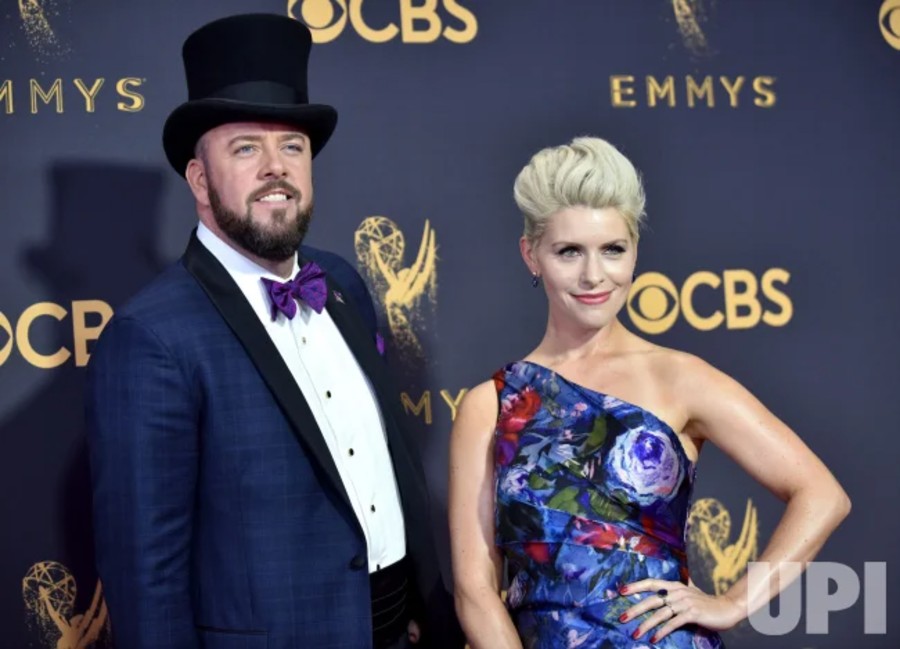
In the world of entertainment, audiences often know actors, directors, and sometimes writers — but behind every production there’s a team of talented professionals whose work is essential yet often overlooked. Rachel Reichard is one of those indispensable creative figures working behind the camera. A producer and production manager with an eye for compelling storytelling, Reichard has established a steady presence in film production circles. This blog explores her life, career journey, achievements, and impact on the industry.
Quick Bio Table
| Attribute | Details |
| Full Name | Rachel Reichard |
| Also Known As | Rachel Reichard Sullivan |
| Born | October 20, 1986 |
| Birthplace | New York City, New York, USA |
| Profession | Film Producer, Production Manager |
| Known For | Sugar (2008), Prelude (to Chadora) (2008), The Pooka (2017) |
| Spouse | Chris Sullivan (married June 20, 2010) |
| Children | Two children |
| Industry | Film & TV production |
| Active Years | 2000s–present |
Early Life and Beginnings
Rachel Reichard was born on October 20, 1986, in New York City, New York — a place known for its vibrant arts scene and cultural diversity. Growing up in such a culturally rich environment likely exposed her early on to the world of film, theater, and artistic expression, though specific details about her upbringing remain private.
What we do know is that Reichard’s roots in one of the creative capitals of the world laid the foundation for her future path in the entertainment world — one that would involve collaboration, production innovation, and creative leadership.
Breaking Into the Industry
Rachel’s introduction to the film world was not as an actress but as a producer and production manager, roles vital to ensuring that creative visions come to life from script to screen. Her foundational work showed not just technical skills but strong creative instincts — a combination that sets successful filmmakers apart.
Her modeling and produzione credits include early involvement in short films and smaller productions that would help build a sturdy resume and industry network.
Also Read: Nikki Uberti: From Runway Model to Influential Makeup Artist
Major Works and Contributions
Rachel Reichard’s early and most recognizable work includes the critically appreciated short film Sugar (2008). In this project, she served as a producer — a role that speaks to her ability to coordinate, organize, and bring cinematic ideas into reality.
Sugar (2008)
Sugar tells a compelling story within the framework of sports drama and personal ambition. While audiences may recognize films chiefly through actors on screen, professionals like Reichard help shape the narrative’s structure and production quality — tasks that require both creative vision and meticulous planning.
Other works credited to Reichard include:
- Prelude (to Chadora) (2008) — another production reflecting her active role in narrative storytelling.
- The Pooka (2017) — a later production management credit illustrating her sustained involvement in film projects.
These credits show that Rachel Reichard has not been a passive contributor but an active presence in film production across different genres and years.
A Creative Behind the Star: Rachel Reichard and Chris Sullivan
An aspect of Reichard’s life that’s often highlighted in public media is her marriage to actor Chris Sullivan, known for his roles in TV hits like This Is Us and The Knick. While Sullivan gained widespread recognition on screen, Reichard has been a steadfast force behind the scenes, supporting creative work both personally and professionally.
The couple married on June 20, 2010 and have since built a family together with two children, balancing industry challenges with family life.
The Creative Role of a Producer and Production Manager
Rachel’s work exemplifies what it means to be a producer and production manager in the modern film industry:
▪ Vision Execution
Producers are responsible for turning concepts into films — from organizing the budget to overseeing the creative staff. Rachel’s execution of Sugar reflects her competency in this area.
▪ Coordination
Production managers handle scheduling, logistics, crew coordination, and ensuring that vision stays aligned with timelines and resources — a demanding role that requires precision and leadership.
▪ Creative Collaboration
Success in film production isn’t just technical — it’s also deeply social. Producers and managers work with directors, actors, writers, and cinematographers to create cohesive narratives, manage expectations, and resolve conflicts creatively.
Rachel’s continued roles on diverse projects show her ability to integrate these skills into meaningful contributions.
Also Read: Natalie Wihongi — A Life of Artistic Passion, Quiet Strength & Family Commitment
Sustaining a Career in a Competitive Industry
Breaking into film production is challenging; sustaining a career is even more so. The entertainment industry is intensely competitive, and behind‑the‑camera professionals often have to juggle multiple projects, network persistently, and adapt to rapid industry changes.
Rachel Reichard’s career demonstrates:
- Adaptability — transitioning between producer and production manager roles.
- Consistency — regularly contributing to projects over years.
- Professional Growth — evolving her creative expertise to meet modern production needs.
These qualities highlight not only her technical competence but also her dedication and passion for filmmaking.
The Importance of Contribution Over Spotlight
In popular culture, actors and directors often receive the most recognition. Yet industry professionals like Rachel Reichard remind us that behind every celebrated performance is a team of creative professionals who make the vision possible.
Producers and production managers:
- Build film frameworks
- Solve complex logistical problems
- Shape narrative execution
- Support creative decision‑making
Rachel’s presence, therefore, represents the many unsung contributors whose work enriches storytelling and artistic output.
Influence and Industry Legacy
Today, Rachel Reichard’s legacy may not be marked by blockbuster fame, but it’s defined by creative collaboration and impactful behind‑the‑scenes contributions. Her trajectory exemplifies how dedication to craft — even out of the spotlight — leads to lasting professional respect and influence within industry circles.
Her filmography, though not vast in public records, reflects a deep commitment to storytelling and production excellence — qualities that resonate with directors, actors, and audiences alike.
What Rachel’s Story Teaches Us
Rachel Reichard’s journey offers lessons that extend beyond filmmaking:
▪ Quality Over Noise
Impact isn’t measured by headlines but by consistency and reliability.
▪ Collaboration Is Power
Working well with others — from creative visionaries to technical teams — drives projects forward.
▪ Persistence Pays Off
A career built over years, not weeks, signifies resilience and long‑term thinking.
Looking Forward: What’s Next?
Though her biography doesn’t yet feature blockbuster titles or major awards, Rachel remains an active creative force. Her continued work in production suggests that we may see even more contributions from her behind the camera — whether in film, television, or other creative mediums.
As the industry evolves, producers like Rachel — those with a blend of organizational skill and creative sensibility — will continue to be pivotal to storytelling in the 21st century.
Also Read: Georgia Horsley: From Miss England to Family Life and Personal Growth
Final Thoughts
Rachel Reichard’s story is a compelling blend of creative commitment, understated influence, and professional endurance. In a world where public fame often overshadows foundational artistry, her journey reminds us that true impact often happens out of the spotlight — in the editors’ rooms, production tents, and planning meetings that shape every story we watch.
If you’d like SEO keywords, headings, or an alternate angle (like “Rachel Reichard’s Impact on Independent Film” or “Lessons from Behind the Camera”), just let me know!

1 Comment
Pingback: Michael Chernus: The Versatile Actor Who Shines Across Film, TV, and Theater