
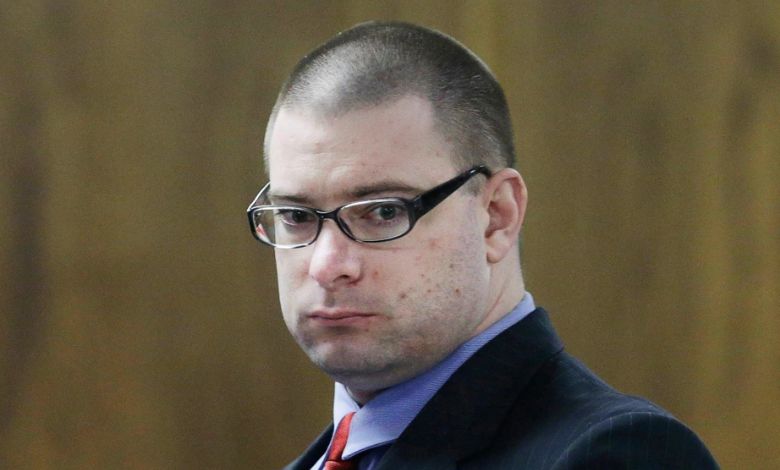
Eddie Ray Routh is a former U.S. Marine best known for his conviction in the 2013 murders of Chris Kyle and Chad Littlefield at a shooting range in Texas. The case drew national attention because Kyle was a former Navy SEAL and the author of American Sniper, later adapted into a major film. Routh’s trial became widely discussed not only because of Kyle’s public profile but also because the defense centered on mental illness and legal insanity.
A factual biography of Eddie Ray Routh must stay close to the public record. His private life, family details, and full medical history are not completely available through reliable public sources. What is documented most clearly is his military background, the February 2013 killings, the capital murder trial, the rejected insanity defense, the life sentence without parole, and the later appellate ruling that affirmed his conviction.
Profile Summary
| Field | Details |
|---|---|
| Full name | Eddie Ray Routh |
| Known for | Conviction in the murders of Chris Kyle and Chad Littlefield |
| Military background | Former U.S. Marine |
| Incident date | February 2, 2013 |
| Location | Rough Creek Lodge shooting range near Glen Rose, Texas |
| Victims | Chris Kyle and Chad Littlefield |
| Charge | Capital murder |
| Verdict | Guilty |
| Sentence | Life in prison without parole |
| Appeal | Conviction affirmed by the Texas Eleventh Court of Appeals in 2017 |
| Public data limits | Full private life, family details, and complete medical history are not publicly documented |
Background Before the Case
Routh’s public background is usually discussed through his military service and mental-health history presented in court. The Texas Eleventh Court of Appeals described him as a former Marine who had served in Iraq and other places. The court record also states that, after his service ended, the Veterans Administration diagnosed him with post-traumatic stress disorder.
Those details are important, but they should be handled carefully. A PTSD diagnosis does not explain or excuse criminal conduct by itself, and it should not be used to stigmatize veterans or people with mental illness. In Routh’s case, the legal issue at trial was not whether he had mental-health problems. The central question was whether he met Texas’s legal standard for insanity at the time of the killings.
Public sources provide limited verified information about Routh’s private life beyond the criminal case. Details about his personal relationships, current prison conditions, and full treatment history should not be stated as fact unless supported by official records or credible reporting.
The Deaths of Chris Kyle and Chad Littlefield
On February 2, 2013, Chris Kyle and Chad Littlefield took Routh to the Rough Creek Lodge shooting range near Glen Rose, Texas. According to the appellate record, Kyle had agreed to help Routh after Routh’s mother told Kyle that her son had been diagnosed with PTSD. Kyle and Littlefield picked Routh up from his home and later drove with him to the range.
By late afternoon, Kyle and Littlefield were dead at the shooting range. The court record describes both men as suffering multiple gunshot wounds. Eddie Ray Routh fled the scene in Kyle’s pickup and was later arrested after police pursuit and confrontation.
The case quickly became national news. Kyle was already known as a former Navy SEAL and author of American Sniper. Reuters reported that the case gained wider attention because of Kyle’s bestselling book and the Oscar-nominated film adaptation directed by Clint Eastwood and starring Bradley Cooper.
Also Read: Who Is Tom Mahoney? Facts About Marcia Cross’s Husband and Family Life
Arrest, Charge, and Trial
Routh was charged with capital murder in the deaths of Kyle and Littlefield. His trial took place in Stephenville, Texas, and ended on February 24, 2015, when a jury found him guilty. Reuters reported that the jury deliberated for a little more than two hours before reaching its verdict.
The prosecution did not seek the death penalty. Because of that decision, a capital murder conviction led to a sentence of life in prison without the possibility of parole. The Texas Court of Appeals later summarized the same legal outcome, noting that the trial court assessed punishment at life without parole because the state did not seek death.
The trial was not a dispute over whether Eddie Ray Routh had shot the two men. The central legal dispute was his mental state. The defense argued that he was legally insane at the time. Prosecutors argued that he knew his actions were wrong and should be held criminally responsible.
Mental Health Claims and the Insanity Defense
Routh’s defense lawyers argued that he suffered from severe mental illness and should be found not guilty by reason of insanity. Reuters reported that the defense described him as paranoid schizophrenic and argued that he believed Kyle and Littlefield were going to kill him.
Under Texas law, the insanity defense requires more than proof of mental illness. The Texas Eleventh Court of Appeals explained that the legal question was whether, because of a severe mental disease or defect, the defendant did not know his conduct was wrong. The same opinion notes that Texas courts define “wrong” in this context to mean “illegal.”
That distinction shaped the trial and later appeal. The jury rejected the insanity defense and found Routh guilty. The appellate court later reviewed whether the evidence was sufficient to support the jury’s rejection of that defense and affirmed the conviction.
Conviction and Life Sentence
After the guilty verdict, Routh was sentenced to life in prison without parole. Reuters reported the sentence on February 25, 2015, stating that Routh was found guilty of killing Kyle and Littlefield multiple times at the range in February 2013.
The sentence reflected the capital murder conviction and the prosecution’s decision not to pursue the death penalty. Navy Times reported before the verdict that Routh faced an automatic life sentence without parole if convicted because prosecutors were not seeking death.
For legal accuracy, it is important to describe the sentence clearly. Eddie Ray Routh was not acquitted, and he was not sentenced to a term of years. He received life imprisonment without parole.
Also Read: Kansas Carradine Biography: Inside the Life of David Carradine’s Daughter
Appeal and Later Court Record
Routh appealed his conviction. The Texas Eleventh Court of Appeals issued its opinion on March 31, 2017, in Eddie Ray Routh v. The State of Texas. The court identified the case as an appeal from the 266th District Court of Erath County and affirmed the conviction.
The appeal raised issues including the jury’s rejection of the insanity defense, the denial of a motion to suppress statements made to a Texas Ranger, and the denial of a motion for mistrial. The appellate court rejected the arguments and left the conviction in place.
This appellate record is one of the most important sources for any factual article about Eddie Ray Routh. It provides the legal framework, trial evidence summary, and final appellate outcome without relying on rumor or entertainment-focused coverage.
Philanthropy and Public Engagement
There is no documented public record showing Eddie Ray Routh as a philanthropist, public advocate, nonprofit leader, or civic figure. His public identity is tied almost entirely to the criminal case, trial, conviction, and sentence.
A biography should not invent public engagement or charitable activity where reliable sources do not show it. The closest public-service context in the case concerns Chris Kyle, who was reported to have helped veterans after leaving the military, including by taking them shooting and speaking with them. Routh’s own public record does not show comparable documented public engagement.
Public Perception and Misconceptions
One common misconception is that Eddie Ray Routh was found not guilty because of mental illness. That is incorrect. The jury rejected his insanity defense and convicted him of capital murder. The appellate court later affirmed that conviction.
Another misconception is that the case involved only Chris Kyle. Chad Littlefield was also killed, and the legal case involved both victims. A responsible account should name both men and avoid reducing the case to Kyle’s celebrity status.
A third misconception is that PTSD alone explains the crime or the verdict. The trial involved competing arguments about mental illness, intoxication, delusion, legal responsibility, and whether Routh knew his conduct was wrong. The jury’s verdict reflected a legal decision based on the evidence presented in court.
Legacy and Future
Routh’s public legacy is inseparable from the murders of Chris Kyle and Chad Littlefield. The case remains part of discussions about criminal responsibility, veterans’ mental health, public memory, and the limits of the insanity defense.
It would be speculative to predict future developments beyond the existing court record. As of the affirmed 2017 appeal, the controlling public legal outcome is clear: Routh’s conviction remained in place, and his sentence was life without parole. Any future update should rely on official court filings or corrections records rather than secondary claims.
Also Read: Fritz Chesnut: Inside the Life and Art Career of Molly Shannon’s Husband
FAQ’s
Who is Eddie Ray Routh?
Eddie Ray Routh is a former U.S. Marine convicted of murdering Chris Kyle and Chad Littlefield in Texas.
What was Eddie Ray Routh convicted of?
He was convicted of capital murder in the deaths of Chris Kyle and Chad Littlefield.
When was Eddie Ray Routh convicted?
He was found guilty on February 24, 2015.
Was Eddie Ray Routh’s conviction appealed?
Yes, the Texas Eleventh Court of Appeals affirmed the conviction in 2017.
Why is Eddie Ray Routh’s case widely known?
The case gained broad attention because one victim, Chris Kyle, was the former Navy SEAL whose memoir inspired American Sniper.
Conclusion
Eddie Ray Routh is a former Marine convicted of capital murder in the 2013 deaths of Chris Kyle and Chad Littlefield. The case became nationally known because of Kyle’s public profile and the cultural reach of American Sniper, but the legal facts remain centered on the two victims, the trial evidence, the rejected insanity defense, and the life sentence without parole.
A factual biography should avoid sensationalism and unsupported personal claims. The verified record shows that Routh was tried, convicted, sentenced, and later lost his appeal. His case continues to be discussed because it sits at the intersection of crime, mental-health law, military background, and public memory.

1 Comment
Pingback: Ben Stein Biography: Career, Education, and Public Influence - TrueTimes