
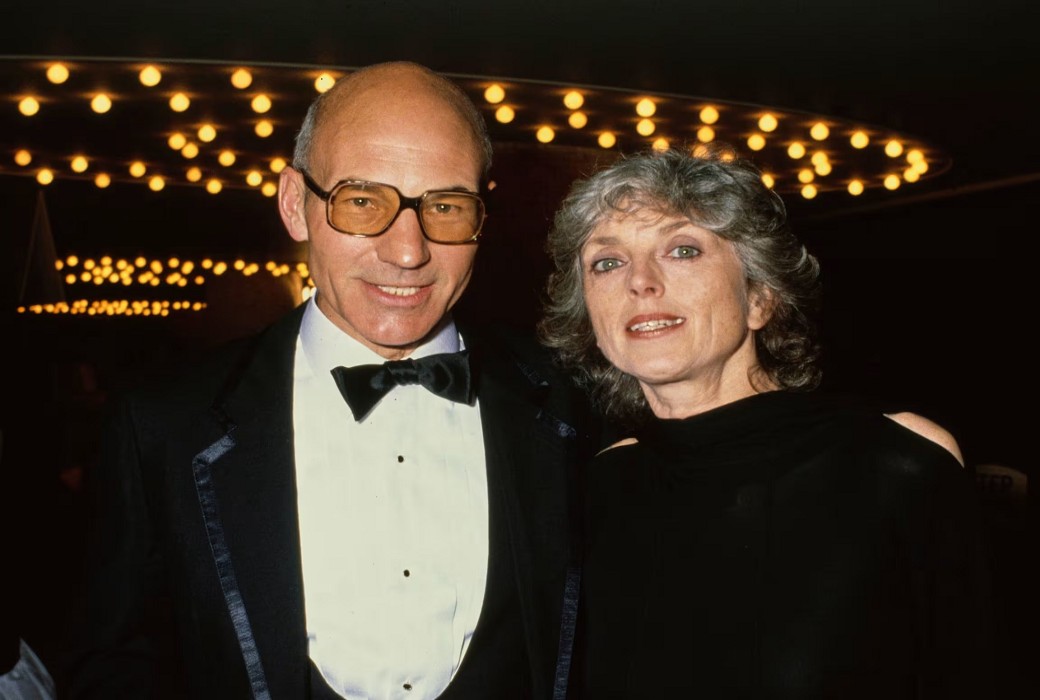
In the world of performing arts, some figures shine with a quiet brilliance that’s easy to overlook — unless you know their story. Sheila Falconer is one such artist: a British actress, dancer, and choreographer whose career spans stage productions, classic films, and creative collaborations behind the scenes. Though often overshadowed by the fame of others, her work and life reveal a dedicated creative force who contributed to the British entertainment world at a time of rich theatrical and cinematic evolution.
Born in the United Kingdom in the mid‑20th century, Falconer pursued multiple avenues of performance — from West End dance roles to acting in films such as Half a Sixpence and Lady Jane. Along the way, she earned recognition not just for her talents but for her personal journey that intertwined with some of entertainment’s most familiar stories.
Quick Bio — Sheila Falconer
| Attribute | Details |
| Full Name | Sheila Falconer |
| Date of Birth | August 9, 1945 |
| Nationality | British |
| Profession | Actress, Dancer, Choreographer |
| Known For | Half a Sixpence (1967), Hugh and I (1962), Crew roles in Lady Jane (1986) |
| Stage Work | Do Re Mi, Fiorello!, Belle, or The Ballad of Doctor Crippen |
| Marriage | Married to Patrick Stewart (1966–1990) |
| Children | Two (including Daniel Stewart and Sophie Stewart) |
| Career Span | 1960s – 1980s (stage, film, television) |
Early Life and Artistic Beginnings
Sheila Falconer was born on August 9, 1945 in the United Kingdom. Though detailed records of her childhood and early influences are limited, her earliest credits reveal a swift immersion into performance at a young age.
From the start, Sheila Falconer demonstrated versatility — embracing both dance and theater. The early 1960s were a golden era for musical stage productions in London, and Falconer appears among the performers trained in discipline, movement, and theatrical presence.
Her work included notable stage performances in productions such as Do Re Mi and Fiorello! where she appeared as a dancer in London theatre — part of the city’s thriving West End scene that trained many performers in musical theater and choreography.
Stage Career and Choreographer Skills
Sheila Falconer’s early stage roles were rooted in dance and ensemble performance, which speaks to her foundation in physical expression and theatrical art.
West End Performances
- Do Re Mi (1961) — Sheila Falconer appeared as a dancer and ensemble member in this London stage production, showcasing musical and movement skills.
- Fiorello! (1962) — Another major production where she performed as a dancer in the original London staging.
- Belle, or The Ballad of Doctor Crippen (1961) — A challenging musical production in which Falconer’s role contributed to the dynamic storytelling on the West End stage.
These early credits not only reflect her talent but also place her within the vibrant landscape of British theatre at the time — an environment that fostered innovation and artistic crossover.
Transition to Choreography
As her career matured, Sheila expanded into choreography, bringing her understanding of dance and stage movement to productions like Merrily We Roll Along (UK premiere) and Peg — where she worked behind the scenes designing movement and staging for performers.
Her dual skill set — both as performer and choreographer — allowed her to navigate multiple facets of production, contributing to the creative process at every level. This blend of artistic disciplines is a hallmark of her career, and reflects her holistic approach to performance art.
Also Read: Adam Gouraguine: The Marine Scientist Who Stepped Out of the Spotlight
Film and Screen Appearances
While stage and choreography were essential pillars of her artistry, Sheila Falconer also appeared on screen — connecting theatrical practice with cinematic storytelling. Her screen work includes both acting and additional behind‑the‑camera roles:
Acting Credits
- Half a Sixpence (1967) — Falconer appeared as Kate in this musical film adaptation of the popular stage production.
- The Girl (1968 TV Movie) — An early television credit showcasing her screen acting.
- Hugh and I (1962) — A television sitcom appearance that placed her within British TV in its early decades.
Additional Crew Roles
In Three Hats for Lisa (1965) and Lady Jane (1986), Falconer’s contributions were listed as part of the additional crew — fitting well with her choreographic expertise and knowledge of movement in film production.
This combination of performance and technical involvement highlights her multifaceted understanding of screen work — not merely in front of the camera but in shaping scenes and physical storytelling.
Marriage to Patrick Stewart
One of the more public aspects of Sheila Falconer’s personal life was her marriage to actor Patrick Stewart — a name synonymous with Shakespearean theater and blockbuster franchises like Star Trek and X‑Men.
A Lasting Union
- They married on March 3, 1966 and were together until 1990.
- The couple had two children, including son Daniel Stewart and daughter Sophie Stewart.
Their partnership spanned over two decades — an era when both were finding their footing in the performing arts. While Patrick Stewart’s career surged to international fame later, their shared years represent a period of personal growth, artistic exploration, and family life.
Life After Divorce
Falconer and Stewart divorced in 1990 — yet their shared legacy includes their children and the early creative influence they had on each other’s lives. Falconer’s career continued in theater and choreographic circles, even as Stewart became one of the most recognizable actors on the global stage.
Also Read: Don Calame: The Screenwriter and Novelist Who Gives Stories a Voice
Personal Life and Beyond the Stage
While Sheila Falconer’s public profile is less documented than many contemporaries, her artistic footprint endures through her varied contributions in stage, dance, film, and television. Her ability to adapt — from ensemble dancer to choreographer to screen actress — demonstrates a dynamic career defined by creative flexibility.
Importantly, she was part of an era when performers often worked across multiple entertainment mediums — a tradition captured by her work spanning West End theaters, British television, and international film sets.
Legacy in Performance Arts
Sheila Falconer’s legacy lies in the breadth of her creative engagements:
- Stage Innovation: As a dancer and performer during the early 1960s, she contributed to musical theater in a vibrant period for British stage performing arts.
- Choreographic Vision: Her movement direction and choreography in productions demonstrated her deep understanding of physical storytelling.
- Cinematic Contributions: Film and TV roles — whether on screen or as part of the crew — add to her portfolio of artistic versatility.
- Artistic Partnership: Her decades‑long marriage to Patrick Stewart places her within the narrative of popular culture history — even as her own work stood on its own creative merits.
Also Read: Johnny McClain: The Quiet Force behind a Boxing Legend’s Early Rise
FAQ’s
Who is Sheila Falconer?
Sheila Falconer is a British actress, dancer, and choreographer known for stage productions, film roles like Half a Sixpence (1967), and television appearances.
What is she best known for?
Falconer is best known for her role as Kate in the musical film Half a Sixpence and her work in British television and stage choreography.
Was she married to Patrick Stewart?
Yes — she was married to actor Patrick Stewart from 1966 to 1990, and they had two children together.
What were her early career beginnings?
She began her career as a dancer and stage performer in London productions such as Do Re Mi and Fiorello! in the early 1960s.
Did she work behind the camera?
Yes — in addition to acting, Falconer worked in crew roles tied to choreography for films like Three Hats for Lisa and Lady Jane.
Conclusion
Sheila Falconer’s artistic journey is an embodiment of versatility and creative depth. Rooted in the vibrant world of British stage performance, her evolution from dancer to choreographer to screen actress reveals a committed artist navigating the many facets of performance art.
Her work — whether seen through her presence in musical films, her choreography behind the scenes, or her early roles on television and stage — reflects a lifetime devoted to movement, expression, and storytelling.
Moreover, her personal life — including a long relationship with one of Britain’s most celebrated actors — adds context to a career that might otherwise be overlooked in history books. While she may not be a household name today, Sheila Falconer remains an emblem of unsung creativity — a performer whose contributions helped shape the fabric of British entertainment during a pivotal era

3 Comments
Pingback: Jacqueline Keegan — The Private Woman Behind a British Screen Star - TrueTimes
Pingback: Mette Marie Kongsved — The Danish Producer Shaping Modern Indie Cinema - TrueTimes
Pingback: Tamika Smith Biography: Method Man’s Wife, Career, Family, and Community Work