
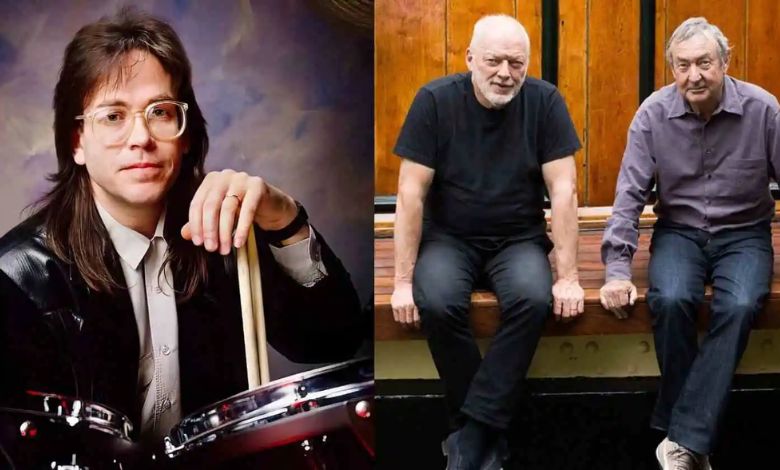
Jeff Porcaro was an American drummer, songwriter, and record producer best known as a founding member of Toto and one of the most respected studio drummers of his generation. His name remains closely connected with the polished sound of late-1970s and 1980s pop-rock, especially through Toto’s hits “Rosanna,” “Africa,” and “Hold the Line.” Modern Drummer describes him as one of the most recorded session musicians, with work across hundreds of albums and thousands of sessions.
A careful Jeff Porcaro biography should focus on verifiable facts: his musical family background, his session career, Toto’s commercial peak, his influential drum feel, and his death in 1992 at age 38. His public story also requires caution because some online summaries repeat simplified claims, especially about his cause of death and private life.
Early Life and Musical Background
Jeffrey Thomas Porcaro was born on April 1, 1954, in Hartford, Connecticut. He grew up in a musical family. His father, Joe Porcaro, was a respected percussionist, and his brothers Steve Porcaro and Mike Porcaro also became professional musicians associated with Toto. Public music histories often describe the Porcaro family as deeply connected to the Los Angeles studio scene.
Porcaro’s early musical development is commonly linked to formal and informal drum learning through family influence and professional exposure. However, many detailed childhood stories about his training vary across secondary sources. A factual article should avoid unsupported anecdotes unless they come from direct interviews, liner notes, or reputable music publications.
His path into professional music began early. By the 1970s, he was already part of the Los Angeles session world, a network of skilled musicians who played on records for major artists. This background became central to both his personal career and the formation of Toto.
Early Career as a Session Drummer
Before Toto became a successful band, Porcaro had built credibility as a studio drummer. The Los Angeles Times later described him as a highly respected session drummer who worked with artists such as Bruce Springsteen, Elton John, and Paul McCartney.
Session work requires a different kind of discipline from live band performance. A studio drummer must quickly understand arrangements, support the song, control dynamics, and record clean, repeatable takes. Porcaro became known for those qualities. His playing was not built on excessive display. It was based on groove, time, balance, and musical judgment.
This is one reason drummers continue to study his recordings. Porcaro’s work often sounds simple on the surface, but the details reveal careful placement, subtle ghost notes, and a strong sense of song structure. His influence is less about volume or speed and more about feel.
Formation of Toto
Toto was formed in Los Angeles in 1977 by musicians who were already active in the studio scene. The group’s classic early lineup included Jeff Porcaro on drums, David Paich on keyboards, Steve Lukather on guitar, Steve Porcaro on keyboards, David Hungate on bass, and Bobby Kimball on vocals. Later, Mike Porcaro joined as bassist, making the Porcaro family even more closely tied to the band.
The band’s musicians had experience working behind the scenes for other artists before stepping forward as a group. This gave Toto a distinctive identity. They were not simply a garage band trying to break into the industry. They were highly trained studio players who could bring technical polish into mainstream rock and pop.
Toto’s self-titled debut album arrived in 1978 and included “Hold the Line,” which helped introduce the band to a wide audience. Porcaro’s drumming was part of the group’s professional sound from the beginning: controlled, clean, and arranged around the song.
Toto IV and Grammy Recognition
Toto reached its commercial and critical peak with Toto IV, released in 1982. The album included “Rosanna” and “Africa,” two songs that became central to the band’s long-term reputation. The Recording Academy’s official Grammy profile lists Jeff Porcaro with 4 Grammy wins and 6 nominations, including wins connected with Toto IV and “Rosanna” at the 25th Annual Grammy Awards.
The Grammy recognition matters because it confirms Porcaro’s role in one of the most successful periods of Toto’s career. Toto IV won Album of the Year, while “Rosanna” won Record of the Year. Grammy records also list Porcaro among winners for Producer of the Year and Best Instrumental Arrangement Accompanying Vocal(s) for “Rosanna.”
For many casual listeners, Toto is remembered mainly through “Africa.” For drummers, however, “Rosanna” is often the more studied record because of Porcaro’s famous half-time shuffle.
The “Rosanna” Groove and Drumming Style
Jeff Porcaro’s “Rosanna” groove became one of the most discussed drum parts in popular music. The beat is often described as a half-time shuffle, influenced by earlier shuffle traditions. What made Porcaro’s version stand out was not only the pattern itself but also the precision, feel, and control behind it.
His playing combined a tight pocket with relaxed musical flow. The groove does not rush, but it also does not feel mechanical. It supports the entire record while giving the track a recognizable rhythmic signature. That balance explains why the part remains popular in drum lessons, transcriptions, and musician discussions.
Porcaro’s style should not be reduced to one famous groove. His broader career shows range across rock, pop, jazz-influenced studio work, R&B, and adult contemporary music. The best description of his style is not “flashy” but “musical.” He played what the song needed.
Also Read: Valentina Rodríguez Biography: YouTube Star, Age, Birthday, Family, and Facts
Work Beyond Toto
Although Toto gave Jeff Porcaro his most visible platform, his session career was equally important. The Los Angeles Times noted that Porcaro played for numerous major artists and helped found Toto during a career tied strongly to the Los Angeles studio world.
This work made him part of a generation of session musicians whose names were not always known by casual listeners but whose playing shaped popular music. Porcaro’s recorded output crossed artists and genres, making him one of the era’s most recognizable drummers to musicians, producers, and serious fans.
Exact session-credit lists should always be checked carefully against album liner notes or official databases. Many online lists are long, and not every claim is equally verified. For a fact-based biography, it is better to mention widely documented collaborations than to publish an unchecked catalog of credits.
Personal Life and Privacy
Jeff Porcaro’s public identity is mainly musical. Some details about his marriage and children appear in public reports, especially after his death, but a respectful biography should not overextend into private family matters.
The Los Angeles Times reported in December 1992 that proceeds from a tribute concert were intended to help set up an education trust for Porcaro’s three young sons. This confirms that family concerns were part of the public response after his death, but it does not justify unnecessary detail about his children’s private lives.
Because Porcaro died young and left behind a family, the most responsible approach is to keep personal information limited to what is publicly documented and relevant to his legacy.
Death and Conflicting Public Narratives
Jeff Porcaro died on August 5, 1992, at age 38. Early reports connected his collapse to a possible reaction after he had been spraying insecticide in his yard. However, later Los Angeles Times reporting stated that the Los Angeles County coroner found no evidence supporting the earlier pesticide-allergy explanation. The coroner instead attributed his death to occlusive coronary artery disease related to hardening of the arteries caused by cocaine use.
This subject should be written with care. The Los Angeles Times also reported that Porcaro’s widow disputed the coroner’s conclusion and sought further forensic review. Because of those public disputes, a neutral article should avoid sensational wording. The most accurate approach is to explain the early public narrative, the coroner’s reported finding, and the fact that the conclusion was challenged by his widow.
His death had a major effect on Toto. The band continued, and drummer Simon Phillips later joined. In a 2025 MusicRadar interview, Phillips discussed approaching Porcaro’s parts with respect for the music rather than trying to imitate him directly.
Philanthropy and Public Engagement
There is limited evidence of Jeff Porcaro being publicly known for philanthropy during his lifetime. His public legacy in this area is better documented through events after his death.
The Los Angeles Times reported that a December 1992 tribute concert at Universal Amphitheatre featured major artists and was organized to honor Porcaro. Proceeds were intended to establish an education trust for his three sons. The event also reflected the respect he had earned among musicians who had worked with him across the industry.
This section should not invent charity work or activism beyond documented activity. Porcaro’s public service legacy is mainly connected to tribute and memorial efforts organized after his death.
Also Read: Casey Rocket Biography: Comedian, Kill Tony Role, Career, and Facts
Public Perception and Misconceptions
One common misconception is that Jeff Porcaro was only Toto’s drummer. Toto was central to his fame, but it does not fully explain his influence. His session career placed him on many recordings outside the band, and his reputation among musicians rests heavily on that broader body of work.
Another misconception is that “Rosanna” alone defines his importance. The groove is historically important, but Porcaro’s real value was his consistency across songs and styles. He could give a record energy without taking attention away from the singer or arrangement.
A third misconception concerns his death. Some simplified summaries still repeat the pesticide-allergy story without mentioning later coroner reporting or the dispute around that conclusion. A credible biography should present the issue clearly and avoid turning it into gossip.
Legacy and Future
Jeff Porcaro’s legacy continues through recordings, drum education, and Toto’s lasting popularity. His playing remains a reference point for drummers who want to understand groove, time feel, and studio discipline. He showed that technical skill can be powerful when it serves the music rather than dominates it.
His influence also lives through Toto’s catalog. Songs such as “Rosanna,” “Africa,” and “Hold the Line” continue to reach new listeners through radio, streaming, documentaries, and pop culture. MusicRadar’s later coverage of Toto’s post-Porcaro era also shows that his role remained central to how later drummers approached the band’s music.
Since Porcaro died in 1992, “future” in his biography means future interpretation rather than future career activity. His work will likely remain important because it captures a model of professional musicianship: precise, adaptable, and deeply song-focused.
FAQ’s
Who was Jeff Porcaro?
Jeff Porcaro was an American drummer, songwriter, producer, Toto co-founder, and major session musician.
What band was Jeff Porcaro in?
He was best known as a founding member and drummer of Toto.
What is Jeff Porcaro most famous for?
He is especially known for his work with Toto, his session career, and the “Rosanna” shuffle.
Did Jeff Porcaro win Grammys?
Grammy records list Jeff Porcaro among Toto members connected with major Toto IV and “Rosanna” wins at the 25th Grammy Awards.
What was Jeff Porcaro’s cause of death?
Early reports mentioned possible pesticide involvement, but later Los Angeles Times reporting cited the coroner’s finding of hardening of the arteries linked to cocaine use.
Conclusion
Jeff Porcaro was a founding member of Toto, a Grammy-winning musician, and one of the most influential studio drummers of his era. His career combined mainstream success with deep respect inside the music industry. Through Toto, he helped create records that became part of global pop-rock memory. Through session work, he shaped the sound of many recordings beyond his own band.
A factual Jeff Porcaro biography should avoid mythmaking. His life included remarkable musical achievement, a major role in Toto, and a death that has been discussed through conflicting public narratives. His legacy, however, is clear in one important sense: drummers and producers still study his feel, restraint, timing, and ability to make a song stronger without overplaying. That is why Jeff Porcaro remains more than a name from Toto’s history. He remains a standard for musical drumming.
Also Read: Grace Bowers Career Story: From Guitar Talent to Americana Award Winner

1 Comment
Pingback: Who Is Angie Smith? Life, Books, Ministry, and Todd Smith Connection - TrueTimes