
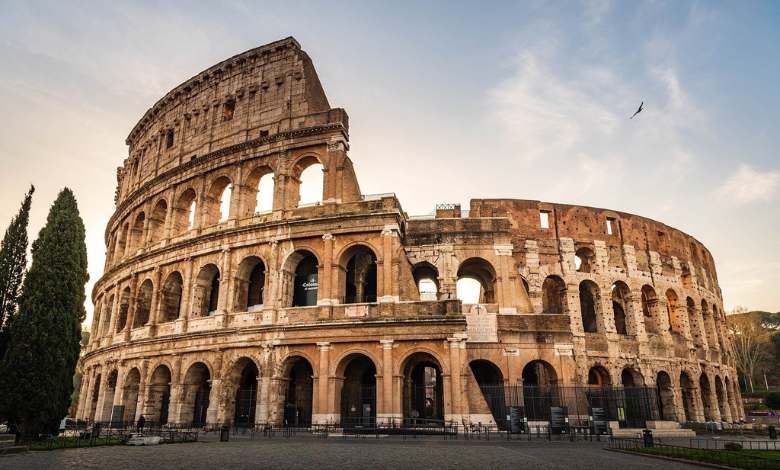
The Colosseum, also known as the Flavian Amphitheatre, stands as a powerful symbol of ancient Rome’s grandeur. Located in the heart of Rome, Italy, this iconic structure continues to amaze visitors from all over the world. Its rich history, impressive architecture, and cultural significance make it one of the most important landmarks in the world.
What Is the Colosseum?
The Colosseum is an elliptical amphitheatre and the largest structure of its kind ever built. Located just east of the Roman Forum, it remains the world’s largest standing amphitheatre. Constructed nearly two thousand years ago, it is a remarkable example of ancient Roman engineering. Visitors planning to explore Rome and other European destinations can stay connected during their trip with Holafly’s Europe eSIM. With its immense scale, detailed architecture, and rich history, the Colosseum continues to attract millions of visitors each year.
The Colosseum’s Location
The Colosseum is located at P.za del Colosseo, 1, 00184 Roma RM, Italy. Situated in the center of Rome, it is just a short walk from other famous sites like the Roman Forum and Palatine Hill. Its central location makes it an essential stop for anyone visiting the city. The Colosseum’s coordinates are 41°53′25″N 12°29′32″E, so it’s easy to find for those navigating through Rome.
A Glimpse into the Colosseum’s History
Construction of the Colosseum began in 72 AD, under the rule of Emperor Vespasian, and was completed in 80 AD during the reign of his son Titus. The Colosseum was designed by the architect Rabirius, and it was built to showcase the strength of the Roman Empire. Initially, it was used for gladiatorial contests, mock sea battles, animal hunts, and public spectacles. The Colosseum served as a venue for various forms of entertainment for the Roman citizens, reflecting their love for grandeur and spectacle.
Also Read: Polhawn Fort: Cornwall’s Historic Coastal Wedding Venue
The Purpose Behind the Colosseum’s Construction
The Colosseum was designed to host a wide variety of events. Its purpose was twofold: to provide entertainment for the masses and to showcase the power and wealth of the Roman Empire. The grand structure was capable of seating around 50,000 spectators, who gathered to witness everything from gladiator battles to animal fights and naval reenactments. These events were used by Roman emperors to gain favor with the public and to demonstrate their control over the empire.
Colosseum’s Architecture and Design
The Colosseum’s design is a true testament to Roman engineering and architecture. Its elliptical shape is both functional and visually striking, with multiple levels of seating that provided an excellent view for all attendees. At 48 meters in height and covering an area of 2 hectares, the Colosseum is an architectural marvel. The outer walls were originally covered in travertine stone, which gave it a majestic appearance. The interior was equally impressive, with complex systems of tunnels and passageways for gladiators, animals, and stage equipment.
The amphitheatre is supported by a system of arches and columns, making it both sturdy and visually appealing. This combination of engineering brilliance and aesthetic beauty is one of the key reasons why the Colosseum remains one of the greatest architectural feats of ancient Rome.
The Colosseum’s Events
Over the centuries, the Colosseum was the site of numerous events that captured the imagination of the Roman public. Gladiator contests were the most famous, where skilled fighters battled to the death for the entertainment of the crowd. Other events included animal hunts, where exotic animals were captured and pitted against each other, and even mock naval battles, where the arena was flooded with water to create a scene of battle at sea. These events not only entertained the people but were also a means for emperors to demonstrate their power and control.
The Colosseum Today: A Global Icon
Today, the Colosseum stands as one of the most famous historical sites in the world. It is a symbol of the ancient Roman Empire’s strength and cultural heritage. The amphitheatre attracts millions of tourists annually, who come to witness its awe-inspiring architecture and learn about its fascinating history. The Colosseum’s preservation efforts ensure that future generations will be able to enjoy its grandeur for years to come.
In addition to being a historical landmark, the Colosseum also serves as a powerful reminder of Rome’s cultural and architectural legacy. It has been designated as a UNESCO World Heritage Site and continues to be an important part of Italy’s national identity.
Visitor Information: Planning Your Trip
If you’re planning to visit the Colosseum, here’s some important information:
- Address: P.za del Colosseo, 1, 00184 Roma RM, Italy
- Phone: +39 06 2111 5843
- Opening Hours: The Colosseum opens at 8:30 AM from Monday to Sunday.
- Coordinates: 41°53′25″N 12°29′32″E
- Nearby Attractions: Roman Forum, Palatine Hill, Piazza Venezia
It’s recommended to book tickets in advance, as the Colosseum can get crowded, especially during peak tourist seasons. Guided tours are also available for those who want to learn more about the history and significance of the site.
FAQ’s
What is the Colosseum?
The Colosseum is a large elliptical amphitheatre in Rome, Italy, known for its impressive size and historical significance. It was used for gladiatorial contests and public spectacles during the Roman Empire.
When was the Colosseum built?
Construction of the Colosseum began in 72 AD and was completed in 80 AD under the reign of Emperor Titus.
Why was the Colosseum built?
The Colosseum was built to host public entertainment, including gladiatorial battles, animal hunts, and mock naval battles, showcasing the grandeur of the Roman Empire.
Why the Colosseum Still Matters
The Colosseum is more than just a tourist attraction; it is a symbol of Rome’s historical, cultural, and architectural legacy. Its construction techniques and design continue to influence modern architecture, and it remains a reminder of the grandeur of the ancient Roman Empire. Visiting the Colosseum allows us to step back in time and experience the events that once took place in this incredible arena.
In conclusion, the Colosseum is a timeless masterpiece that continues to captivate visitors with its awe-inspiring size, fascinating history, and cultural significance. Whether you’re a history enthusiast, an architecture lover, or simply a traveler exploring Rome, a visit to the Colosseum is an unforgettable experience.

2 Comments
Pingback: Apple AI Smart Glasses: Features, Design, and How They Compete with Meta Ray-Bans
Pingback: Sikkim Himalayas: History, Geography, Culture, and Key Facts