

Modern life revolves around connectivity. From the moment people wake up and check their smartphones to the final messages they send before going to sleep, digital devices have become deeply embedded in everyday routines. Smartphones manage communication, tablets support entertainment, laptops drive productivity, and wearable devices track health and activity. As society becomes increasingly dependent on technology, uninterrupted access to power has become just as important as access to the internet itself.
This growing reliance on connected devices has helped transform charging technology from a simple utility into a critical part of modern lifestyles. The rise of the portable charger reflects a broader shift toward mobility, flexibility, and constant accessibility. Consumers no longer want to be tied to wall outlets or restricted by battery limitations. They expect their devices to remain operational regardless of where they are or how busy their schedules become.
At the same time, the evolution of charging accessories has simplified how people manage multiple devices. Universal connectivity solutions, faster charging capabilities, and streamlined compatibility standards have reduced much of the complexity that once surrounded device charging. Together, these innovations have become essential components of what economists and market analysts increasingly describe as the convenience economy.
The convenience economy is built around reducing friction, saving time, and making daily activities easier. Whether ordering food through an app, booking transportation instantly, or managing work remotely, consumers now prioritize convenience alongside quality. Charging technologies are quietly supporting this transformation by ensuring that the devices powering modern life remain available whenever they are needed.
Understanding the Rise of the Convenience Economy
Over the last decade, consumer expectations have changed dramatically. People increasingly value products and services that minimize effort and maximize efficiency. Convenience is no longer considered a luxury. Instead, it has become a fundamental expectation.
Businesses across industries now compete by simplifying customer experiences. Streaming platforms eliminate scheduling conflicts, digital payments reduce transaction delays, and cloud storage removes the need for physical media. Every innovation is designed to make life easier and more accessible.
Technology plays a central role in this shift because nearly every convenience-focused service depends on connected devices. Without reliable access to power, these digital tools become less effective. This is why charging technology has become such an important part of modern consumer behavior.
Portable power solutions allow individuals to remain connected regardless of location, creating greater freedom and flexibility in daily life. These benefits align perfectly with the principles of the convenience economy.
Mobility as a Defining Feature of Modern Life
One of the most significant changes in contemporary society is the growing emphasis on mobility. Work, communication, entertainment, and education are no longer confined to fixed locations. People routinely move between homes, offices, airports, coffee shops, coworking spaces, and public transportation systems while remaining digitally connected.
This mobility requires technology that can travel with users and adapt to changing environments. Battery limitations once represented a major obstacle to mobile productivity. Today, advanced charging solutions help eliminate many of those concerns.
A portable charger serves as more than a backup power source. It represents freedom from dependency on fixed charging locations. Whether someone is attending meetings throughout the day, traveling internationally, or spending time outdoors, portable power solutions provide confidence and flexibility.
This ability to maintain connectivity anywhere has become one of the defining characteristics of modern digital lifestyles.
The Growing Importance of Device Reliability
Consumers increasingly depend on their devices for essential activities. Smartphones function as communication tools, navigation systems, payment platforms, cameras, calendars, and entertainment hubs. Laptops support professional work, while tablets and wearables contribute to productivity and personal wellness.
Because these devices perform so many critical functions, reliability has become a top priority. Unexpected battery depletion can disrupt schedules, delay communication, and reduce productivity.
Charging technologies help address these challenges by extending device availability and reducing downtime. Reliable power solutions support continuous access to information, services, and communication channels.
In a world where people expect instant access to digital resources, maintaining device readiness has become a crucial aspect of everyday convenience.
Simplification Through Universal Standards
Modern consumers often own multiple devices from different manufacturers. Managing numerous cables, connectors, and charging accessories can quickly become frustrating and inefficient.
The technology industry has increasingly responded by moving toward universal standards designed to improve compatibility and reduce complexity. This shift reflects broader consumer preferences for streamlined experiences and simplified device management.
The adoption of the usb c adapter illustrates this movement perfectly. Universal connectivity standards reduce the need for multiple accessories while making it easier for users to charge and connect various devices through a single solution.
By simplifying compatibility, universal charging technologies contribute directly to the goals of the convenience economy. They save time, reduce clutter, and create more seamless user experiences.
Travel and the Demand for Portable Power
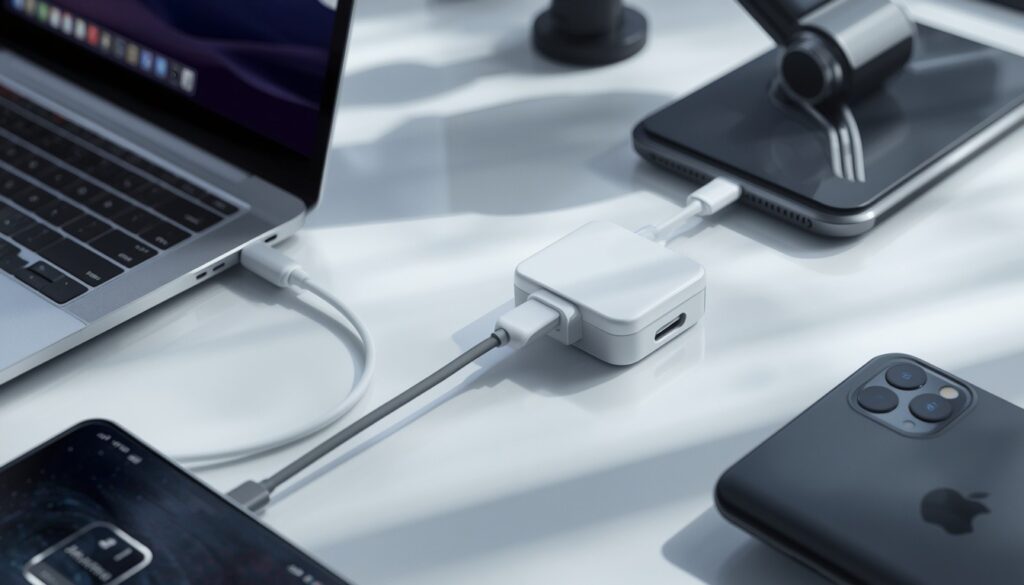
Travel has become one of the most important drivers of charging technology innovation. Modern travelers rely heavily on digital devices for navigation, booking confirmations, communication, entertainment, and remote work.
Long flights, layovers, road trips, and business travel often place significant demands on device batteries. Access to reliable charging opportunities may be limited or inconsistent.
Portable charging solutions address this challenge by providing independent access to power regardless of location. Travelers can remain connected without worrying about locating available outlets or carrying multiple charging accessories.
As global mobility continues increasing, portable power technology will remain a critical tool supporting modern travel experiences.
Productivity in a Connected World
Remote work, hybrid work environments, and digital entrepreneurship have fundamentally changed how people approach productivity. Employees and business owners now work from a variety of locations while relying heavily on connected devices.
Continuous productivity depends on uninterrupted device performance. Even brief periods without access to power can affect communication, collaboration, and workflow efficiency.
Charging technologies help support these evolving work environments by providing reliable energy solutions wherever work happens. Portable charging devices and universal connectivity standards allow professionals to remain productive without being restricted to traditional office settings.
This flexibility aligns perfectly with the broader goals of convenience-focused innovation.
Consumer Psychology and the Desire for Control
One often overlooked aspect of charging technology is its impact on consumer psychology. People generally feel more confident and secure when they know their devices have sufficient battery life.
Battery anxiety has become a recognized phenomenon in the digital age. Concerns about losing access to communication, navigation, or important information can create stress and frustration.
Portable power solutions help alleviate these concerns by providing greater control over device availability. Users gain confidence knowing they have access to backup power whenever needed.
This emotional benefit contributes significantly to the popularity of charging technologies within modern consumer culture.
Sustainability and Smarter Technology Choices
As environmental awareness continues growing, consumers increasingly seek technologies that combine convenience with efficiency. Universal charging standards can contribute to reduced electronic waste by minimizing the need for multiple proprietary accessories.
Standardized charging ecosystems also encourage longer product lifecycles and greater compatibility across devices. These benefits align with broader efforts to create more sustainable technology environments.
Future charging innovations will likely focus not only on speed and convenience but also on energy efficiency and environmental responsibility.
This balance between convenience and sustainability represents an important direction for future technology development.
The Future of the Convenience Economy
The convenience economy continues expanding as consumers demand faster, simpler, and more intuitive experiences. Emerging technologies such as artificial intelligence, smart homes, connected vehicles, and wearable computing will further increase dependence on reliable power solutions.
Charging technologies will continue evolving to support these increasingly connected ecosystems. Faster charging speeds, wireless innovations, improved battery management systems, and enhanced portability will shape the next generation of user experiences.
As digital lifestyles become more integrated into everyday activities, reliable access to power will remain essential.
The technologies that successfully eliminate friction and simplify daily routines will continue playing a central role in shaping the future economy.
Final Thoughts
The convenience economy is transforming how consumers evaluate products and services. People increasingly prioritize technologies that reduce effort, save time, and provide greater flexibility. In this environment, reliable access to power has become a fundamental requirement rather than an optional feature.
The growing importance of the portable charger reflects society’s shift toward mobility, connectivity, and location-independent lifestyles. By providing power wherever it is needed, portable charging solutions support modern work habits, travel experiences, and everyday communication needs.
Similarly, the usb c adapter represents the industry’s movement toward simplification, compatibility, and user-focused design. As digital ecosystems continue expanding and consumers demand more seamless experiences, these technologies will remain essential cornerstones of the modern convenience economy.

1 Comment
Pingback: Standing for Something: The Courage to Live with Purpose - TrueTimes