
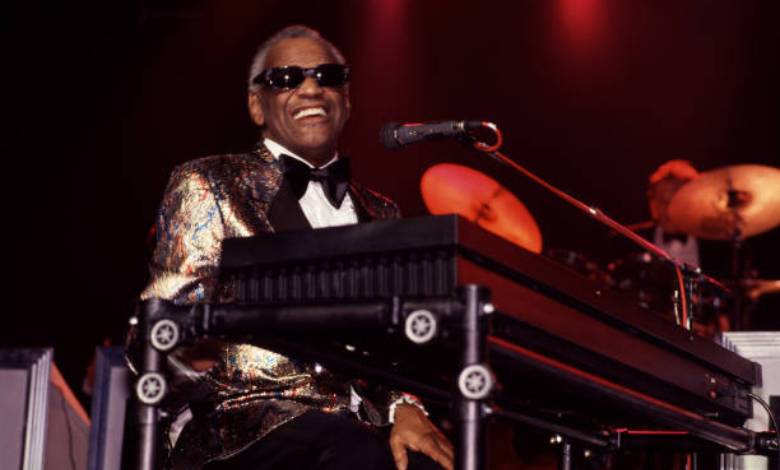
Charles Wayne Hendricks was the son of legendary American musician Ray Charles and singer Margie Hendrix, also written in some records as Margie Hendricks. He is mainly known because of his family connection to Ray Charles, one of the most influential figures in twentieth-century American music. Ray Charles helped shape soul music by blending gospel, rhythm and blues, jazz, blues, country, and pop into a distinctive sound that changed popular music.
Unlike his father, Charles Wayne Hendricks did not become a widely documented public figure. Most available information about him relates to his birth, parentage, siblings, and place within the Ray Charles family. For that reason, any responsible biography of Charles Wayne Hendricks must be careful. It should explain what is known, avoid unverified claims, and clearly acknowledge where public information is limited.
Public references commonly list Charles Wayne Hendricks as born on October 1, 1959, and as the son of Ray Charles and Margie Hendrix. He is also sometimes referred to as Charles Wayne Hendrix, reflecting the spelling variation connected to his mother’s surname. He reportedly died in 2013, at about 54 years old.
Early Life and Family Background
Charles Wayne Hendricks was born into a family shaped by music, fame, and public attention. His father, Ray Charles Robinson, known professionally as Ray Charles, had already become a major force in American music by the late 1950s. His mother, Margie Hendrix, was a talented rhythm and blues singer associated with the Raelettes, the backing vocal group linked to Ray Charles’ performances and recordings.
The public record does not provide a detailed account of Charles Wayne Hendricks’ childhood, education, personal interests, or professional life. That absence should not be treated as mystery or scandal. Many children of famous performers live outside the public eye, and Charles Wayne appears to have been one of them. His public identity is largely tied to his parents rather than to an independent entertainment career or public role.
His birth date, October 1, 1959, is one of the most consistently repeated details about him. The exact circumstances of his early years are less clearly documented in reliable public sources. Some online profiles include additional claims about his life, but those details are not always supported by strong documentation. A fact-based biography should therefore avoid presenting those claims as confirmed.
Also Read: Thomas Emil Sicks: What Is Known About Shirley Douglas’ Son
Charles Wayne Hendricks’ Father: Ray Charles
Ray Charles was one of the defining musicians of modern American popular music. Britannica describes him as an American pianist, singer, composer, and bandleader, while his official website highlights his role in pioneering soul music during the 1950s. His work brought together blues, gospel, R&B, rock, country, and jazz, helping create a sound that influenced generations of artists.
Ray Charles’ career lasted around five decades and included major songs such as “I’ve Got a Woman,” “What’d I Say,” “Georgia on My Mind,” “Hit the Road Jack,” and “Unchain My Heart.” He was often called “The Genius,” a nickname that reflected both his musical skill and his ability to cross genre boundaries without losing his artistic identity.
Because Ray Charles remains such an important cultural figure, public interest in his family has continued long after his death in 2004. Searches for Charles Wayne Hendricks usually come from readers trying to understand Ray Charles’ children, family relationships, and personal history. However, Charles Wayne’s own life should not be reduced only to his father’s fame. The challenge is that the available public record gives far more detail about Ray Charles than about Charles Wayne himself.
Charles Wayne Hendricks’ Mother: Margie Hendrix
Margie Hendrix was an American rhythm and blues singer and one of the notable voices associated with the Raelettes. The spelling of her surname appears in different forms, including Hendrix and Hendricks, which partly explains why Charles Wayne’s surname also appears in more than one spelling online.
Margie Hendrix is often remembered for her work with Ray Charles and for her powerful vocal presence in the late 1950s and early 1960s. Public music references connect her to the Raelettes, a group that became closely associated with Ray Charles’ stage and recording career.
Charles Wayne Hendricks’ connection to Margie Hendrix is one of the main reasons his name appears in biographical searches. Still, the available record focuses more heavily on Margie’s music career and her association with Ray Charles than on her private role as a mother. A balanced article should recognize her importance without inventing domestic details that are not clearly documented.
Siblings and the Larger Ray Charles Family
Charles Wayne Hendricks was one of Ray Charles’ children. Ray Charles is widely reported to have fathered 12 children, which means Charles Wayne had several half-siblings. Names commonly associated with Ray Charles’ children include Ray Charles Robinson Jr., Sheila Raye Charles, David Robinson, Robert Robinson, Renee Robinson, and others.
The user-provided family details also list Sheila Raye Charles and Ray Charles Robinson Jr. as siblings, Aretha Robinson and Bailey Robinson as grandparents, Kiel Robinson as a nephew, and George Robinson as an uncle. These names are connected to the broader Ray Charles family tree, but the public record on Charles Wayne’s own relationship with each family member is limited.
It is important to separate basic family listing from personal relationship claims. Saying that Charles Wayne Hendricks was part of Ray Charles’ family is supported by public references. Describing his emotional relationship with siblings, grandparents, or extended relatives would require stronger evidence. Without that, such claims should be avoided.
A Private Life Outside the Spotlight
One of the clearest facts about Charles Wayne Hendricks is that he did not have the same public profile as his father. There is no widely documented career in music, film, television, politics, business, or public advocacy attached to his name in major public references. This does not mean he lacked a meaningful life. It simply means that his private life was not extensively recorded for public audiences.
In celebrity-related biographies, this distinction matters. Public curiosity often creates pressure to fill gaps with assumptions, but doing so weakens credibility. In Charles Wayne’s case, the available facts are modest: his parentage, birth date, reported death year, and place within Ray Charles’ large family.
This limited public record also explains why many articles about him repeat the same few facts. Responsible writing should not turn repeated claims into new information. If a detail cannot be verified through reliable or consistent sources, it should be left out or clearly labeled as unconfirmed.
Death and Public Record
Charles Wayne Hendricks is reported to have died in 2013. Based on his commonly listed birth date of October 1, 1959, he would have been around 54 years old at the time of death. Some online sources provide more specific dates or personal details, but those claims are not always consistently documented across reliable public records.
The cause of his death is not clearly established in widely reliable public sources. For that reason, it should not be stated as fact. A neutral biography should avoid speculation about medical history, circumstances of death, or private family matters unless supported by dependable documentation.
This careful approach is especially important because Charles Wayne Hendricks was not a major public figure. Public interest in him exists mainly through his father’s fame, but that does not remove the need for privacy and accuracy.
Also Read: Who Is Lorelei Bell? Facts About Kristen Bell’s Mother and Family Background
Philanthropy / Public Engagement
There is no well-documented public record showing that Charles Wayne Hendricks was involved in philanthropy, public campaigns, nonprofit work, political activism, or formal public engagement. If such work existed privately, it has not been widely reported in accessible public sources.
This should be stated plainly rather than treated as a negative point. Many private individuals, including relatives of famous people, do not leave behind public records of charitable activity or civic involvement. In Charles Wayne’s case, the absence of documentation simply means the subject should not be expanded beyond the evidence.
Ray Charles himself is connected to public legacy work through the Ray Charles Foundation, which supports education and programs related to hearing disorders. However, that foundation is part of Ray Charles’ institutional legacy, not something that should automatically be attributed to Charles Wayne Hendricks.
Public Perception and Misconceptions
A common misunderstanding is that every child of a famous entertainer must also have a public career. Charles Wayne Hendricks is a good example of why that assumption is not accurate. Although he was the son of Ray Charles, he was not widely known as a performer or public personality.
Another misconception involves the spelling of his surname. Some sources use “Hendricks,” while others use “Hendrix.” This variation appears connected to the way his mother’s name is recorded. For SEO and clarity, an article may use “Charles Wayne Hendricks” consistently while also noting that “Charles Wayne Hendrix” appears in some references.
A third misconception is that his life is fully documented. In reality, the available public information is limited. That does not make the subject unimportant, but it does require careful wording. A credible article should avoid presenting uncertain details about marriage, children, career, or cause of death as confirmed facts.
Legacy and Future
Charles Wayne Hendricks’ public legacy is closely tied to the broader Ray Charles family story. He is remembered mainly as Ray Charles’ son with Margie Hendrix, and his name appears in searches because readers want to understand the personal side of a musician whose professional legacy remains significant.
His future relevance in public writing will likely remain connected to family history, music biography, and discussions of Ray Charles’ children. That does not mean writers should exaggerate his role. A realistic view places Charles Wayne within the family context without turning limited information into a dramatic narrative.
The most responsible way to discuss him is through verified facts and careful boundaries. His life demonstrates an important point about celebrity families: public fame does not extend equally to every family member, and privacy should be respected when the record is limited.
Also Read: Who Is Patricia Carrey Fournier? Facts About Jim Carrey’s Family Member
FAQs
Who was Charles Wayne Hendricks?
Charles Wayne Hendricks was the son of Ray Charles and Margie Hendrix.
When was Charles Wayne Hendricks born?
He was born on October 1, 1959.
When did Charles Wayne Hendricks die?
He died in 2013, at around 54 years old.
Who were Charles Wayne Hendricks’ parents?
His parents were Ray Charles and Margie Hendrix/Hendricks.
Was Charles Wayne Hendricks one of Ray Charles’ children?
Yes, he is publicly listed as one of Ray Charles’ children.
Conclusion
Charles Wayne Hendricks was the son of Ray Charles and Margie Hendrix, born on October 1, 1959, and reported to have died in 2013. He belonged to the larger Ray Charles family and had several half-siblings through his father. His name is most often searched because of Ray Charles’ lasting influence on American music and Margie Hendrix’s connection to the Raelettes.
At the same time, Charles Wayne Hendricks lived largely outside the public spotlight. There is limited verified information about his personal life, career, public engagement, or cause of death. A fact-based biography should therefore focus on what is documented and avoid filling gaps with rumor or speculation.
In the end, Charles Wayne Hendricks is best understood as a private member of a historically significant musical family. His story is not defined by public achievement or celebrity visibility, but by his connection to two figures associated with an important era in American rhythm and blues and soul music.

2 Comments
Pingback: Dalia Asafi Biography: Facts About Hakeem Olajuwon’s Wife
Pingback: Charles Anthony Vandross: What Is Known About Luther Vandross’s Older Brother - TrueTimes